Embracing the Adventure: Your Essential Guide to NYC Bike Riding with a Baby
Imagine cruising through iconic New York City streets, the wind in your hair, the city's vibrant energy surrounding you, and your little one safely secured, wide-eyed with wonder. For many parents, the dream of nyc bike riding with a baby is a powerful one, offering a unique blend of urban exploration, fresh air, and precious bonding time. But transforming this dream into a safe and joyful reality in a bustling metropolis like NYC requires careful planning, the right gear, and a confident approach.
New York City, with its expanding network of bike lanes and scenic routes from the Brooklyn waterfront to the serene paths of Central Park, is surprisingly bike-friendly. However, the urban environment also presents unique challenges. This comprehensive guide will equip you with the knowledge and confidence to embark on your nyc bike riding with a baby adventures, focusing on safety, preparation, and maximizing the fun for both you and your little co-pilot.
Getting Started: When is Your Baby Ready for NYC Bike Adventures?
The first and most critical question for any parent considering nyc bike riding with a baby is: when is my baby ready? This isn't just about age; it's about developmental milestones and your own comfort level.
Assessing Readiness: Age and Developmental Milestones
While some adventurous parents, like those we know, have started cycling with their babies as early as 10 months, it's crucial to understand the underlying developmental requirements. The primary concern is your baby's neck strength and head control. A baby needs to be able to comfortably support their head, especially when wearing a helmet, and maintain stability even over bumps and turns that are inevitable on city streets.
- Neck Strength and Head Control: This is paramount. Your baby must have robust neck strength to support their head and the added weight of a helmet, especially when encountering uneven pavement or quick maneuvers.
- Sitting Unassisted: A baby who can sit upright and unassisted for extended periods is generally a good indicator of sufficient core and neck strength for bike seat stability.
- Official Recommendations: The American Academy of Pediatrics (AAP) typically recommends waiting until a child is at least 12 months old. This guideline ensures most babies have developed the necessary head and neck control for safe travel in a bike seat.
- Consult Your Pediatrician: When in doubt, always discuss your plans with your pediatrician. They can offer personalized advice based on your child's specific development.
Ultimately, the decision is a personal one, but it must be an informed one, prioritizing your child's safety above all. For more in-depth insights into readiness, explore our guide on When to Bike NYC with a Baby: Age, Gear & Safety Tips.
Parental Confidence: Your Foundation for Safety
Beyond your baby's readiness, your own comfort and confidence on a bicycle are non-negotiable, especially when navigating the dynamic environment of New York City. NYC cycling demands constant awareness, quick reflexes, and an assertive yet defensive riding style. If you're not already a confident city cyclist, comfortable zipping through traffic, anticipating maneuvers, and handling unexpected obstacles, adding a baby to the mix might be overwhelming.
- Experienced Rider: Ideally, the parent riding should be an experienced city cyclist, accustomed to sharing the road with cars, pedestrians, and other cyclists.
- Mental Preparedness: Riding with a baby shifts your focus. You need to remain calm and focused on the road, even if your baby gets fussy or makes noise.
- Practice Solo First: If you're new to city cycling or haven't ridden in a while, get comfortable on your bike alone in NYC before introducing your baby. Practice braking, turning, and signaling effectively.
Essential Gear for Safe NYC Bike Riding with a Baby
Once you've determined that both you and your baby are ready, equipping yourselves with the right gear is the next crucial step. This isn't just about comfort; it's fundamentally about safety and compliance.
Choosing the Right Baby Bike Seat: Rear, Front, or Trailer?
The market offers several options for transporting your child by bike, each with its own pros and cons, particularly relevant for NYC riding.
- Rear-Mounted Seats: These are the most common type. They attach to the rear rack or seat tube of your bicycle.
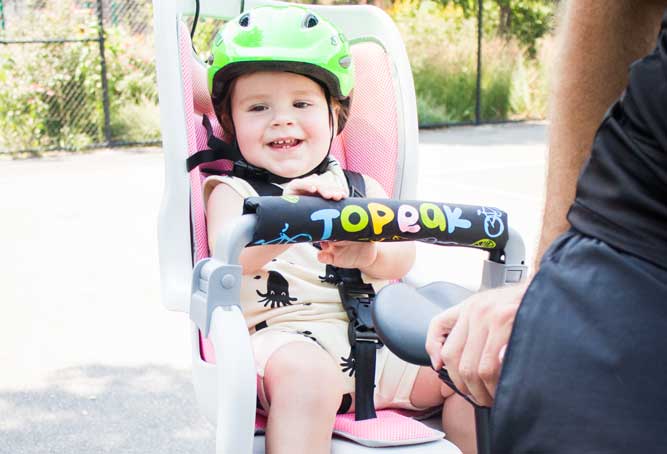
- Pros: Often accommodate heavier children, provide good protection with a "cocoon" design (like the popular Topeak Baby Seat mentioned by many parents, featuring a wrap-around design, adjustable shoulder harness, hand rest, and foot straps), and leave the front of your bike clear for handling.
- Cons: Less direct interaction with your child, can affect bike balance slightly, and make mounting/dismounting a bit trickier.
- Front-Mounted Seats: These seats attach to the handlebars or frame between the rider and the handlebars.
- Pros: Allow for more interaction and conversation with your child, and the child gets an unobstructed view.
- Cons: Generally for lighter, younger children. Can interfere with pedaling (especially for riders with long legs) and make steering feel heavier.
- Bike Trailers: These are separate units that hitch to the back of your bike.
- Pros: Very stable, offer excellent protection from elements and impacts, can carry multiple children or lots of gear, and children can nap comfortably.
- Cons: Require more storage space, less maneuverable in tight city spaces or narrow bike lanes, and children are further away from you.
- Cargo Bikes: For the "super hardcore" and those with storage space, a dedicated cargo bike (front-loader or long-tail) can integrate child seating directly into its design, offering stability and capacity for multiple kids and groceries.
Your choice will depend on your bike type, your child's age and weight, your riding style, and your personal preference for interaction. For detailed reviews and recommendations, check out our guide on Best Baby Bike Seats for Safe NYC City Cycling.
The Non-Negotiable Helmet: For Baby and Parent
This cannot be stressed enough: a helmet is mandatory for your child, and you too! It’s not just a recommendation; it’s a life-saving piece of equipment. You see kids riding without helmets in NYC far too often, and it's a huge safety risk.
- Proper Fit: Ensure the helmet fits snugly, is level on the head (not tilted back), and the chin straps are secure but comfortable. A helmet that's too big or loose offers little protection.
- Lead by Example: Children learn from their parents. By always wearing your own helmet, you model safe behavior and reinforce the importance of head protection.
- Make it Fun: Introduce the helmet as a normal, even exciting, part of the ride. Make it a routine. Some parents have found that their kids quickly adapt, even making sure *their* parent's helmet is on correctly!
Bike Type and Maintenance
Ensure your bicycle is in excellent working order. This means:
- Brakes: Functioning perfectly, front and rear.
- Tires: Properly inflated and in good condition (no excessive wear or cracks).
- Lights: Front and rear lights are essential, especially when riding in low light conditions or at dusk/dawn.
- Bell/Horn: A way to alert pedestrians and other cyclists to your presence.
- Sturdy Frame: Your bike needs to be capable of handling the extra weight of the child seat and your child.
If you're considering renting a bike in NYC, many reputable services like XJD offer bike rentals equipped with secure baby seats. This can be an excellent way for families visiting the city or those who don't own a bike to experience nyc bike riding with a baby safely and conveniently, often providing well-maintained equipment suitable for city exploration.
Navigating NYC: Safety Strategies for Cycling with Your Little One
Riding in NYC requires a strategic approach. When you have a baby on board, every decision carries extra weight.
Route Planning and Traffic Awareness
- Choose Dedicated Bike Lanes: Prioritize routes with protected or dedicated bike lanes whenever possible. These offer a significant buffer from vehicle traffic. Think about paths along the waterfront (Hudson River Greenway, Brooklyn Bridge Park Greenway) or through large parks (Central Park, Prospect Park).
- Avoid Rush Hour: The sheer volume of traffic (both vehicular and pedestrian) during peak hours can be overwhelming and increase risk. Plan your rides for off-peak times.
- Scout Routes: If possible, ride your intended route solo first to identify potential hazards like rough patches, construction, or confusing intersections.
- Be Predictable: Ride in a straight line, signal your turns clearly, and maintain a consistent speed. Avoid sudden movements.
Pre-Ride Checks and Packing Essentials
Before every ride, perform a quick safety check:
- ABC Quick Check: Air (tire pressure), Brakes (functionality), Chain (lubrication/cleanliness), Quick Releases (secure).
- Seat Security: Double-check that the baby bike seat is securely attached to your bike.
- Harness and Foot Straps: Ensure your baby is snugly strapped into the harness and their feet are secured in the foot straps to prevent them from getting caught in the spokes.
- Helmets: Both yours and your baby's are correctly fitted and buckled.
Don't forget to pack essentials for your little passenger:
- Snacks and Water: Keep them hydrated and happy.
- Sun Protection: Sunscreen, a hat (if it fits under the helmet), and sunglasses can make a big difference on sunny days.
- Weather-Appropriate Clothing: Layers are key, as temperatures can change, and your baby will be exposed to wind.
- Basic First Aid Kit: For minor scrapes or bumps.
- Diapers and Wipes: Always be prepared for a pit stop.
- Small Toy or Book: For entertainment during longer rides.
Riding Etiquette and Communication
- Be Visible: Wear bright clothing. Consider reflective gear, especially if riding near dusk. Your bike lights are crucial.
- Use Your Bell: Alert pedestrians or other cyclists when approaching, but do so politely.
- Communicate with Your Baby: Point out sights, talk to them, sing songs. This keeps them engaged and makes the experience more enjoyable.
- Start Small: For initial rides, choose a quiet park path or an open playground area with minimal traffic. Let your baby get accustomed to the sensation of riding before tackling longer, more complex routes.
Making Memories: Beyond Safety with NYC Bike Riding with a Baby
While safety is the primary concern, the ultimate goal of nyc bike riding with a baby is to create wonderful memories and instill a love for outdoor adventure. Witnessing your child's delight as they experience the city from a new perspective is incredibly rewarding. From seeing the Statue of Liberty from the bike path to waving at dogs in Prospect Park, these moments foster a unique bond and a sense of exploration.
The urban landscape of New York City offers endless opportunities for discovery. Bike riding with your baby allows you to slow down, absorb the details, and introduce them to the vibrant tapestry of city life in a way that simply walking or taking public transport can't replicate. It's an active, engaging, and enriching experience for the whole family.
Embarking on nyc bike riding with a baby is a fantastic way to explore the city, get exercise, and create lasting family memories. By prioritizing safety through careful planning, the right gear, and confident riding, you can turn this urban adventure into a beloved family tradition. Ride safely, explore joyfully, and embrace the unparalleled experience of seeing New York City through your baby's eyes.
